- What's New in K-2
- Posts
- 🕵️ FREE Virtual Escape Room for K-2!
🕵️ FREE Virtual Escape Room for K-2!
Unlock critical thinking and "secret agent" fun in your classroom with these tools, templates, and a special K-2 giveaway!


Karly Moura & Christina Sciarrotto
January 20, 2026
Cracking the Code: Why Escape Rooms Belong in K-2
When we think of "Escape Rooms," we often picture complex riddles and locked basements. But in the K-2 world, an escape room is simply a high-stakes scavenger hunt for the mind!
Bringing these adventures into your classroom isn't just about the "wow" factor—it’s about building digital stamina. Whether they are navigating a virtual escape room or decoding an emoji message, your students are practicing the persistence they need for modern learning.
In this issue, we’re going "undercover" to show you how to turn your standard literacy or math block into a Top Secret mission.
Inside:
💡 Tips, Tools and Templates: Escape Rooms in K-2? Yes please!
📺 Teaching with Teachflix Junior: The Sentence Song
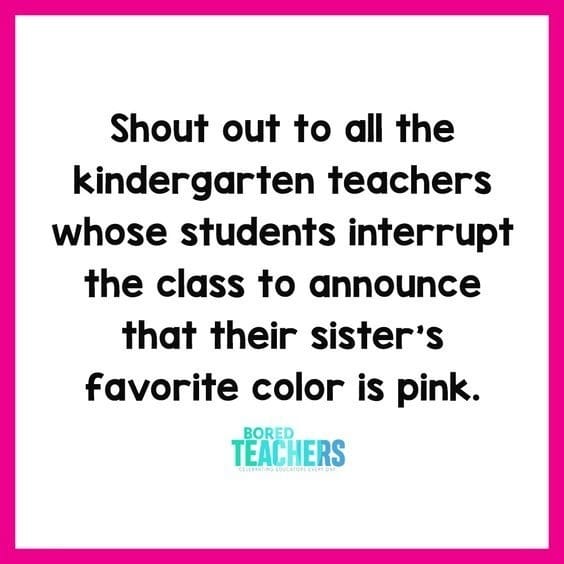
😄 Giggle of the Week: A very important announcement
❤️ Share your ideas with us!
💡 Tips, Tools and Templates
🔐 Cracking the Code in K-2
Why Escape Rooms in K-2?
We often think of escape rooms as being for older kids, but with a little tweaking these activities can be perfect for the K-2 classroom.
🎉 Scroll down to get a FREE K-2 virtual escape room that you can use tomorrow!
When we bring these into our rooms, we aren't just "playing on computers"—we are practicing:
Reading & Following Directions: Navigating a digital space requires careful attention to text and icons.
Math Fluency: Many locks require counting, pattern recognition, or basic addition.
Resilience: Students learn that "getting stuck" is just part of the puzzle.
Collaboration: Working in "Mission Teams" builds social-emotional skills.
You don’t need a huge budget or fancy equipment to bring the magic of an escape room to your classroom. Here are three easy (and free!) ways to turn any K-2 lesson into an adventure.
1. Assign Secret Agent Identities
K-2 students thrive on imaginative play! Before starting a math center or a phonics block, give everyone a "Secret Identity" and ask them to use their detective skills to complete the task.
The K-2 Twist: Use the Secret Agent Name Generator and have students write their new names on "Top Secret" badges. It’s a great way to sneak in some extra handwriting practice!
Names they'll love: Gray Wolf, Agent Mist, or Silver Hawk.
2. Morning Meeting: Emoji Decoders
Start the day with a brain teaser! Use the Emoji Secret Message Maker to create a bell-ringer.
The K-2 Twist: Since some students are still developing reading skills, use the emojis to represent sight words or seasonal jokes.
Try this: Encode a simple joke like "What do you call a cold dog? A Chili-Dog!" and have the "Secret Key" printed out at their desks to help them decode it letter by letter.
3. Hide Clues in Plain Sight
This is a fantastic way to build reading (and detective) skills.
The K-2 Twist: Instead of a long paragraph, give students a short poem or 3-4 sentences. Underline specific letters that, when put together, spell out a "magic word" (like "LUNCH" or "RECESS").
Example: “The cat sat on the mat”." (Hidden word: HAT). It’s like a scavenger hunt for letters!
🔦Resource Spotlight: K-2 Specific Virtual Escape Rooms
If you want to skip the search and dive straight into age-appropriate content, VirtualEscapeRooms.org has a dedicated K-2 category. These are specifically designed with limited text and high-engagement visuals.
FREE K-2 Escape Room!
🎒Max’s Missing School Supplies
In this interactive virtual escape room, students join Max on a school supply scavenger hunt! Along the way, they’ll solve four early-learning puzzles that reinforce counting, color logic, shape matching, and directional awareness.
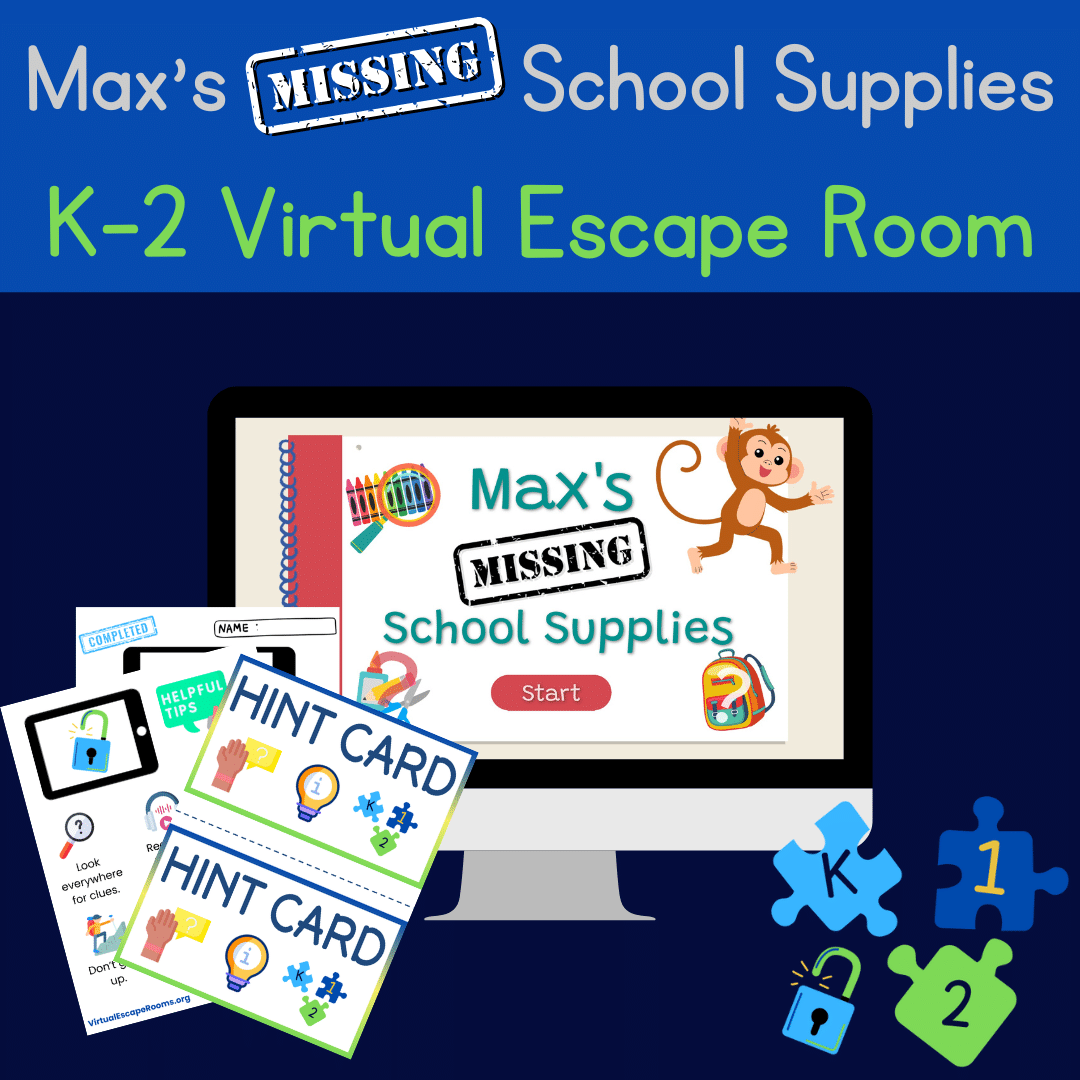 | Get Max’s Missing School Supplies for free with coupon code “K-2SUBSCRIBER” Note this code is only good until 1/27/26 so grab it quick! |
You might also enjoy:
In this interactive, K-2 friendly virtual escape room, students will work alongside Winter to help her find her way home after getting lost in the snow. | 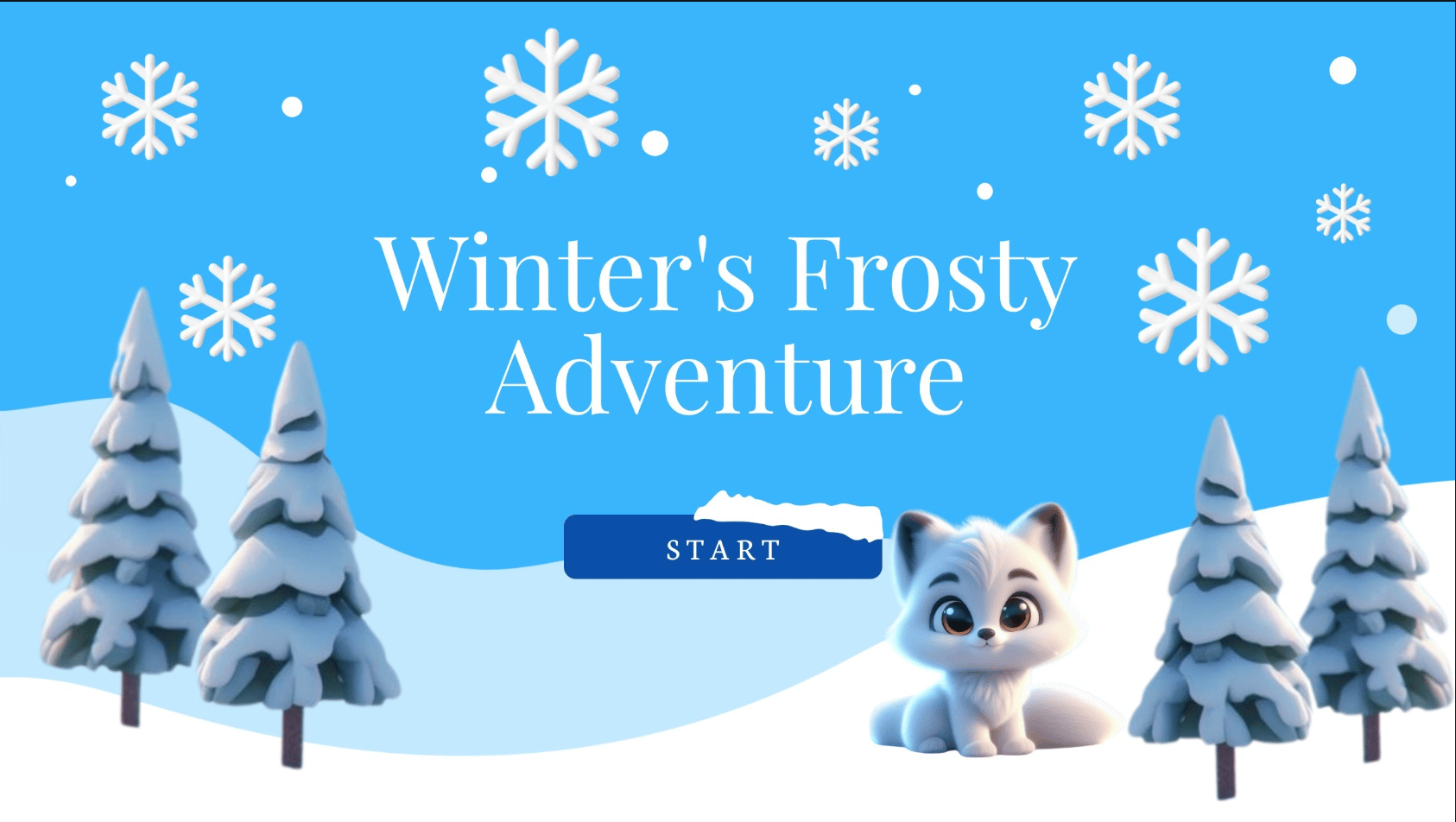 |
Unlike traditional escape rooms, these K-2 versions are completely online. All the puzzles and clues are built right into the experience. Instead of typing complex passwords, children will “unlock” challenges by clicking on the correct combination of numbers, letters, colors, directional arrows, or shapes. This makes it accessible and engaging for early or non-readers.
Key Differences for K-2 Learners:
Audio Support: All directions and text in the escape room are supported by audio, ensuring accessibility for all learners, including non-readers.
Built-in Hints: Gentle hints are provided along the way to guide students without giving away the answer too easily.
K-2 Friendly “Locks”: Students interact with locks by clicking on visual elements (numbers, letters, colors, shapes, arrows) rather than typing out complex combinations.
Designed for Beginners: The puzzles are crafted for young students who are new to escape rooms and may be early or non-readers.
Certificate of Completion: Instead of a digital badge, each k-2 escape room includes a printable certificate that can be given to students to showcase their successful completion of the escape room.
Optional Hint Cards: Hint cards are still provided if you want to use them with your students. These can be given to you as a visual way for students to turn in to ask for extra help.
📺 Teaching with Teachflix Junior
😁 The Sentences Song
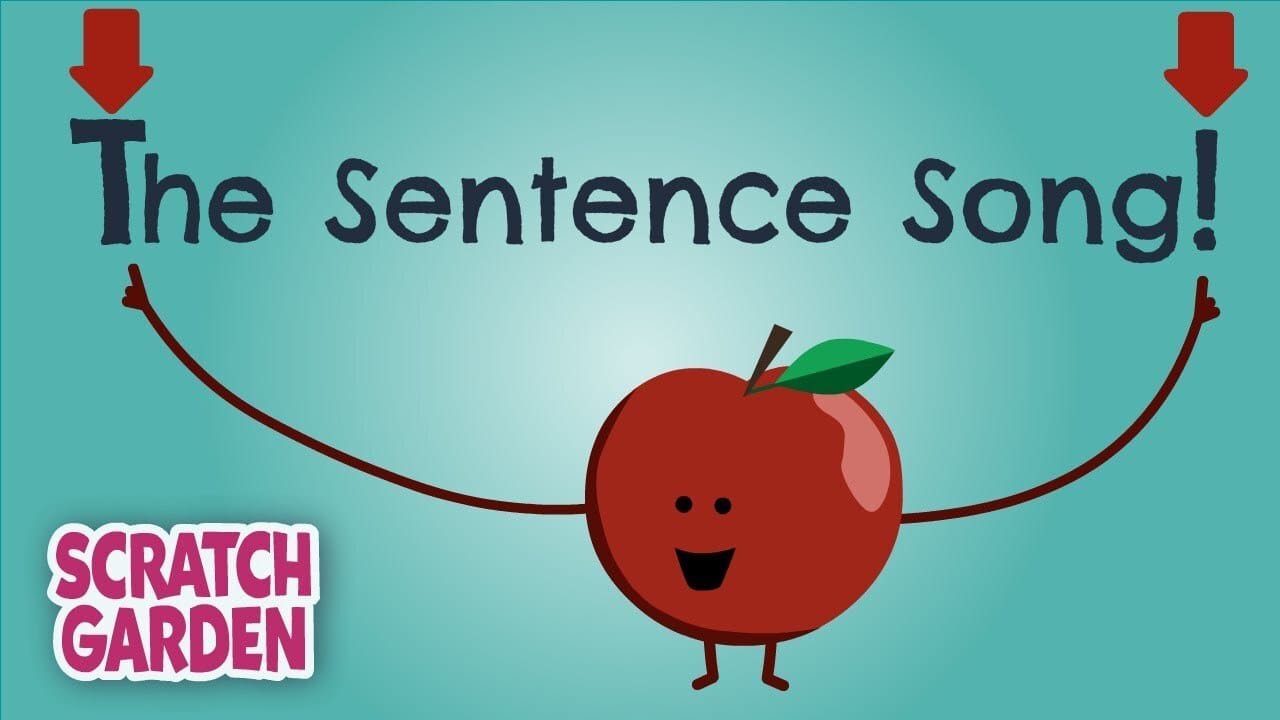
🎥 Video Link: The Sentence Song
This high-energy educational song is the perfect "hook" for your literacy block. It uses catchy rhythms and repetition to demystify basic syntax for K-2 learners, transforming abstract grammar rules into memorable musical cues.
Key points covered in the video:
Capitalization Rule — Every proper sentence begins with a capital (big) letter.
Punctuation Rule — Every sentence must end with one of the following:
Period (.) for statements
Question mark (?) for questions
Exclamation mark (!) for strong feelings or excitement
Examples Given in the Song:
“My dog is great.” — starts with a capital and ends with a period.
“Do you like bugs?” — starts with capital and ends with a question mark.
“There is a monster!” — starts with capital and ends with an exclamation mark.
The repetitive lyrics and rhythm reinforce these rules so that kids can remember and apply them when reading or writing.
Ready-made video resources:
Once the song ends, transition students into hands-on application with these resources.
✏️ Resource
This Sentence Building worksheet is a versatile K-2 literacy tool that uses visual icons and scrambled word boxes to help students master basic syntax and punctuation.
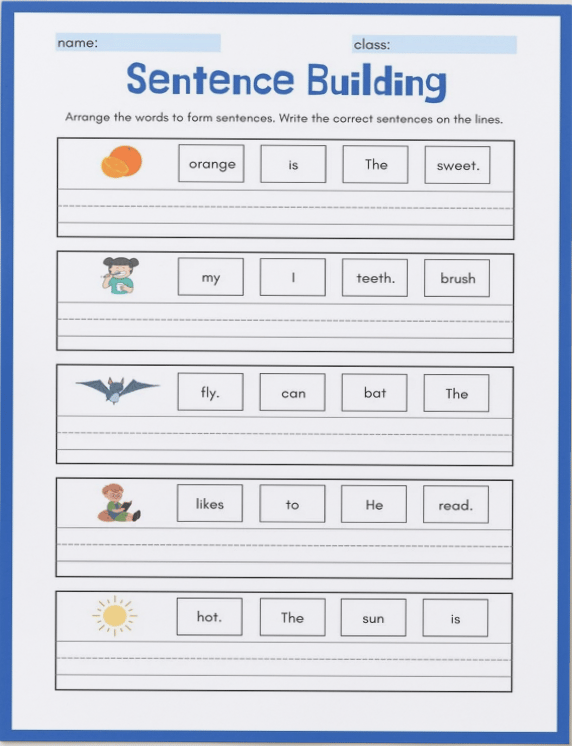 | It features primary-ruled lines to reinforce proper handwriting while providing "anchors"—like capitalized starting words and terminal periods—to support independent decoding. It's an ideal resource for morning work or a writing center to build early confidence in forming complete thoughts. |
✏️ Resource
This Build a Sentence worksheet provides K-2 students with a structured way to practice syntax by arranging scrambled words that correspond to helpful visual illustrations.
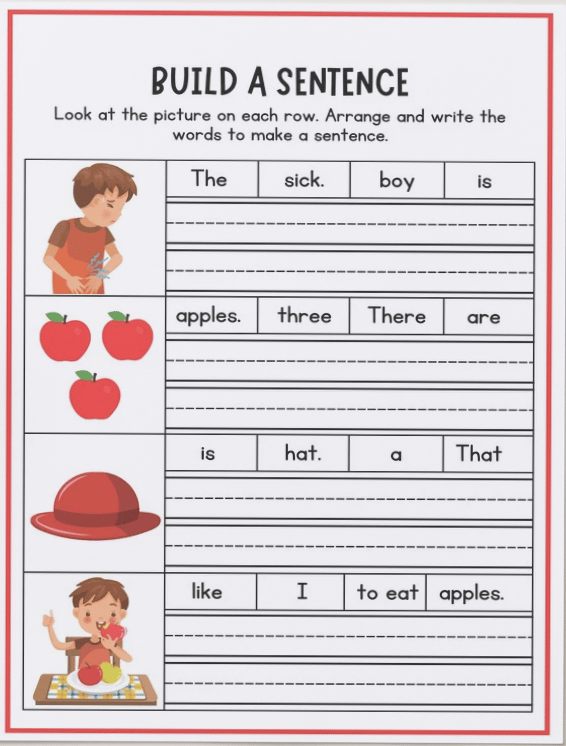 | It features four exercises with primary-ruled handwriting lines, emphasizing the correct use of capital letters at the start of a sentence and periods at the end. This layout is excellent for developing early literacy and fine motor skills in a self-contained, independent activity. |
🤭 Giggle of the Week
Um excuse me? I have something to share…
h/t to Bored Teachers